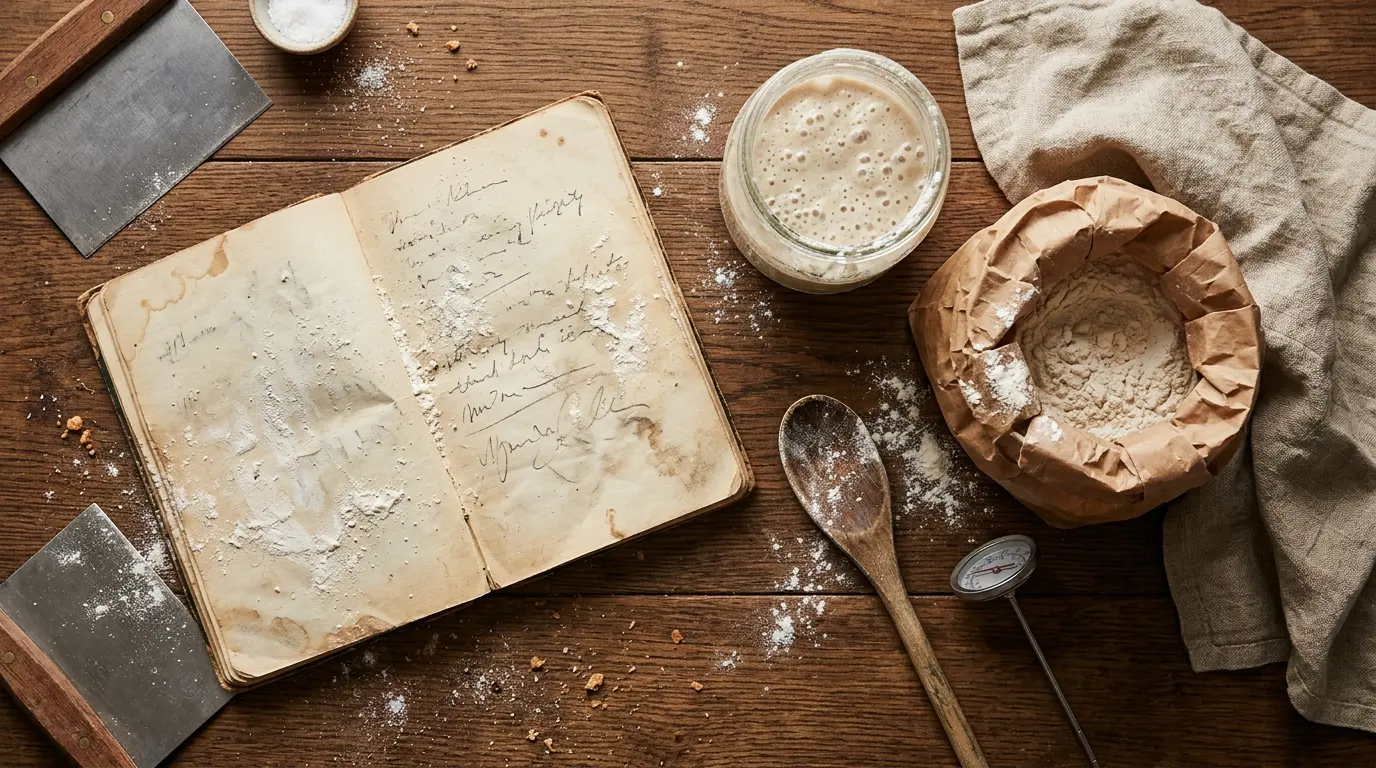
Note 1 · Warmth
The rhythm of the house
At our table, raising the temperature speeds up the batch. Given the same time, it matures sooner.
Try it: keep the rest at 12 h and compare 18 °C with 30 °C.
Bread, patience and a little play
An imagined bakehouse · Time, very much alive
Flour, water and patience. Scroll slowly: twelve hours in the life of dough, in one gesture.
Scroll to let it rest
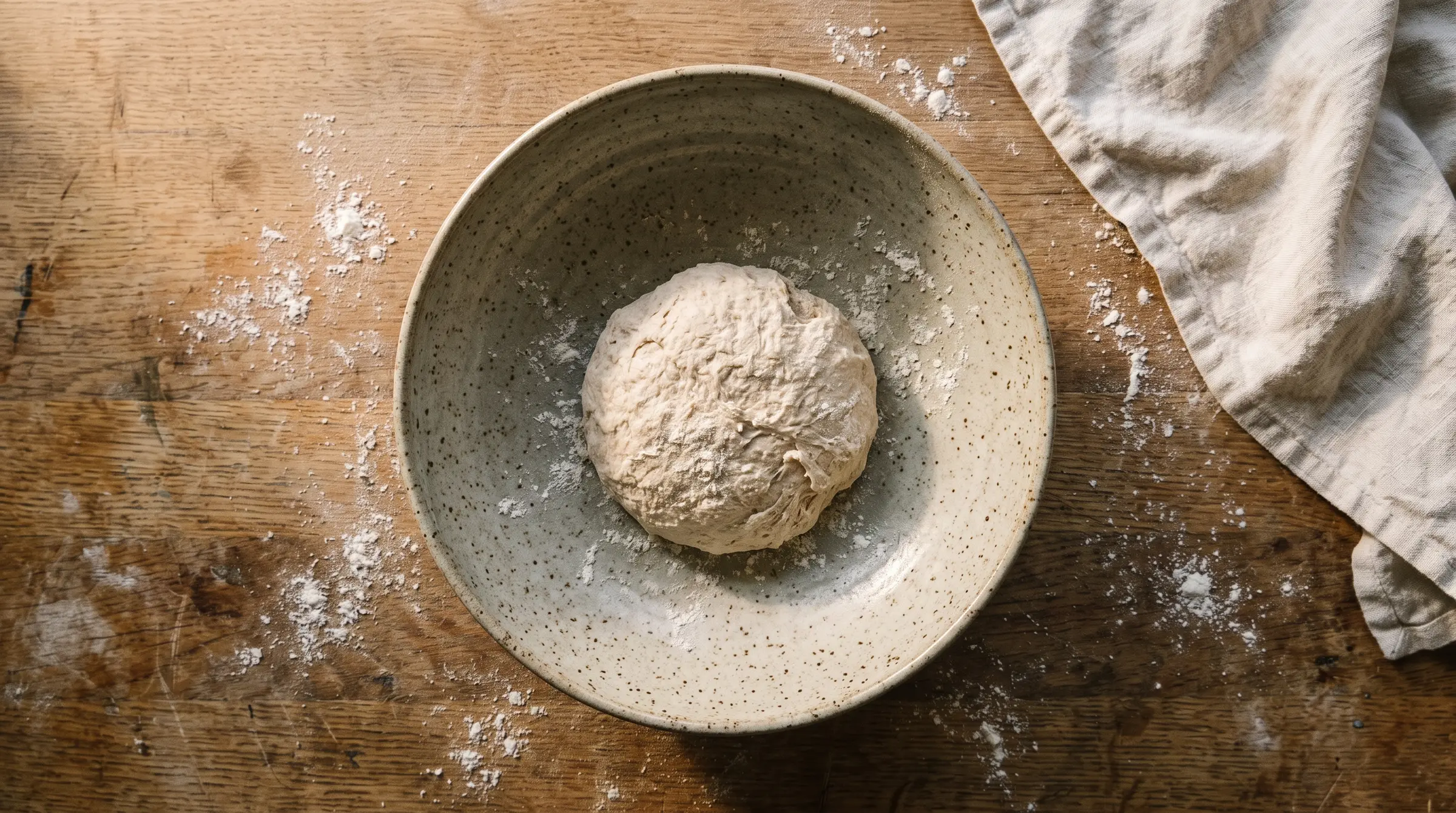
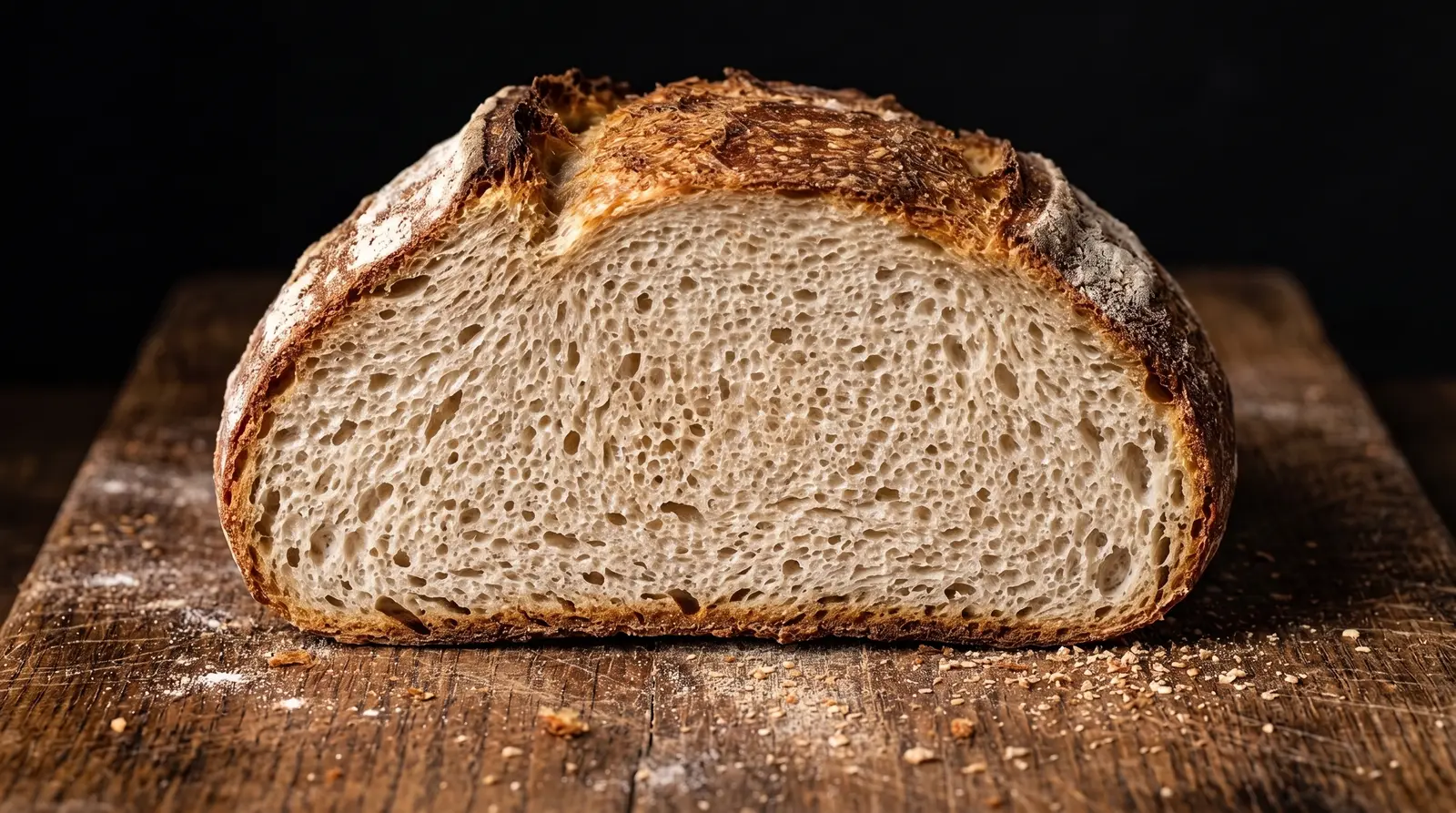
0 – 3 h · Young
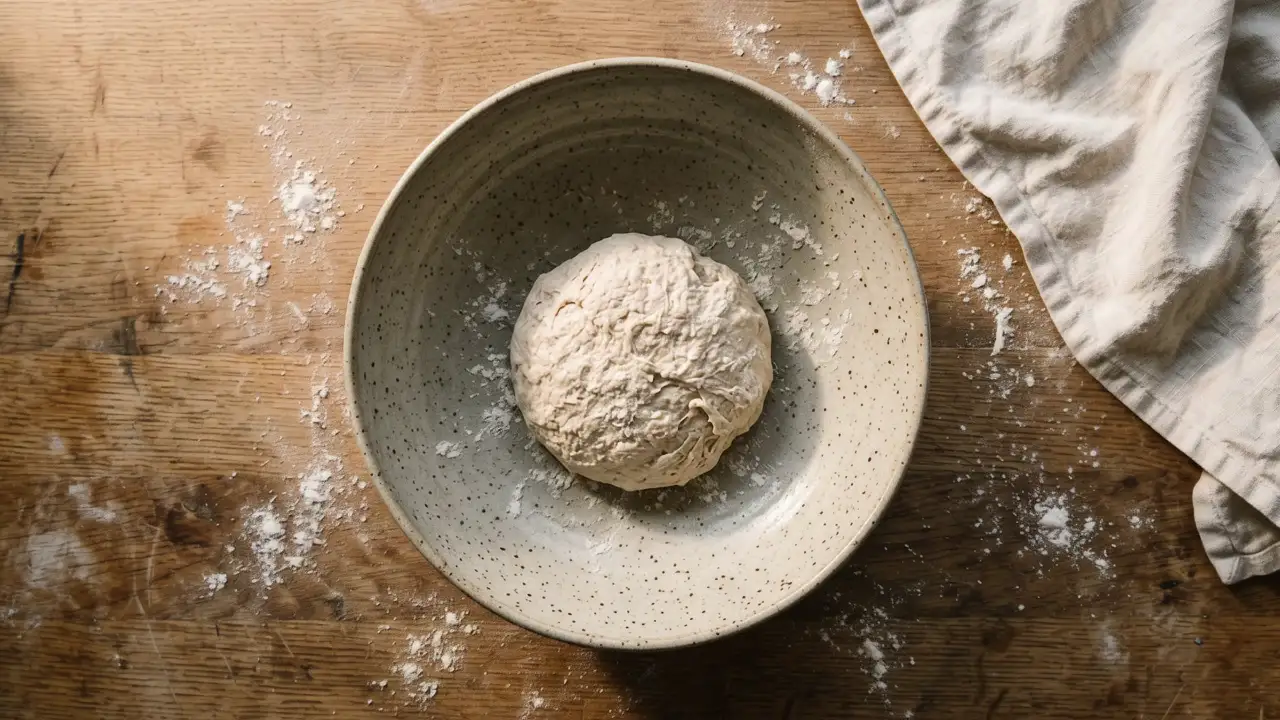
The surface is still dull and tight. Inside, the starter has already begun to feed.
3 – 8 h · Waking up
The edges soften and the ball spreads toward the bowl. The first bubbles appear.
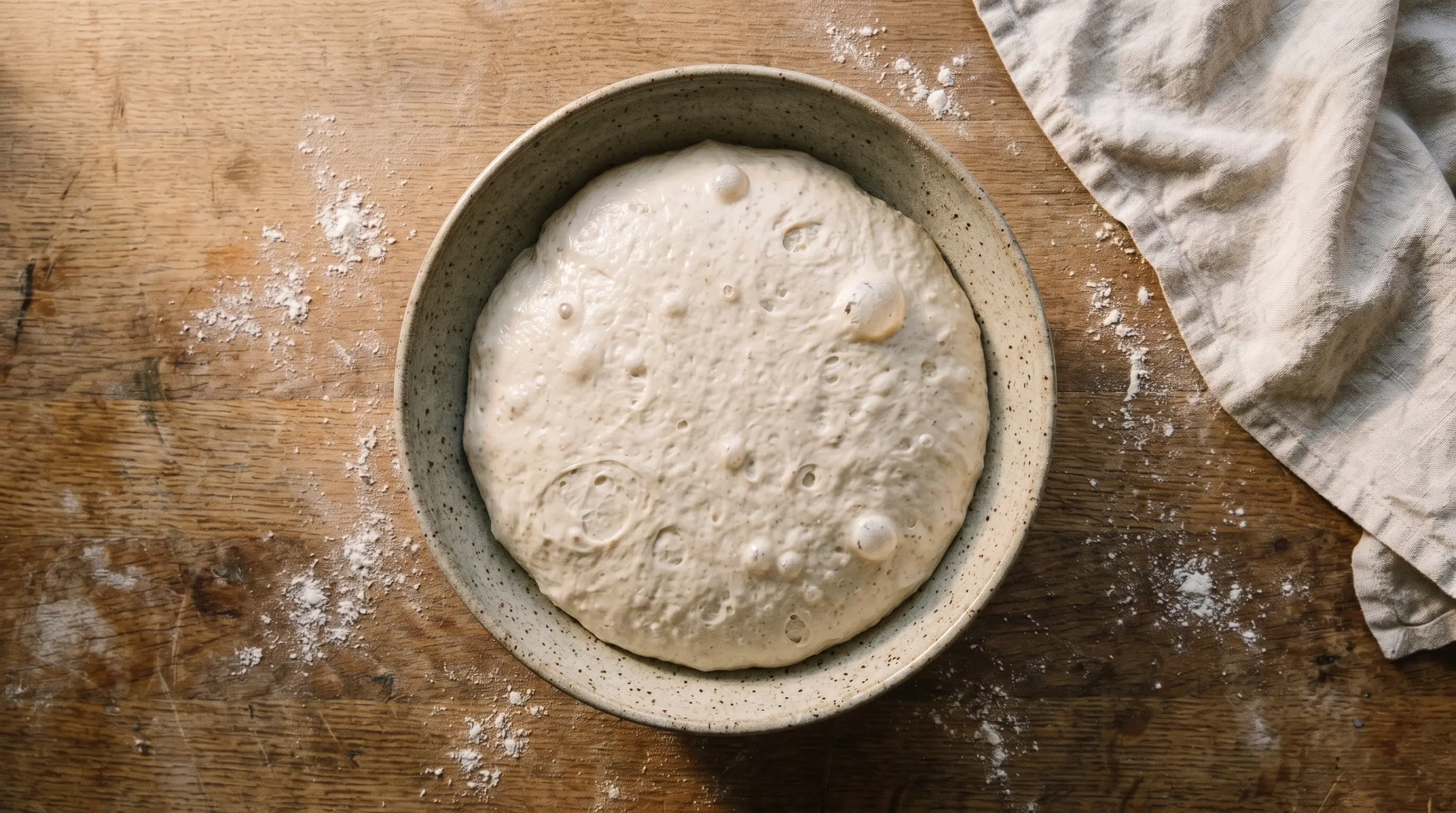
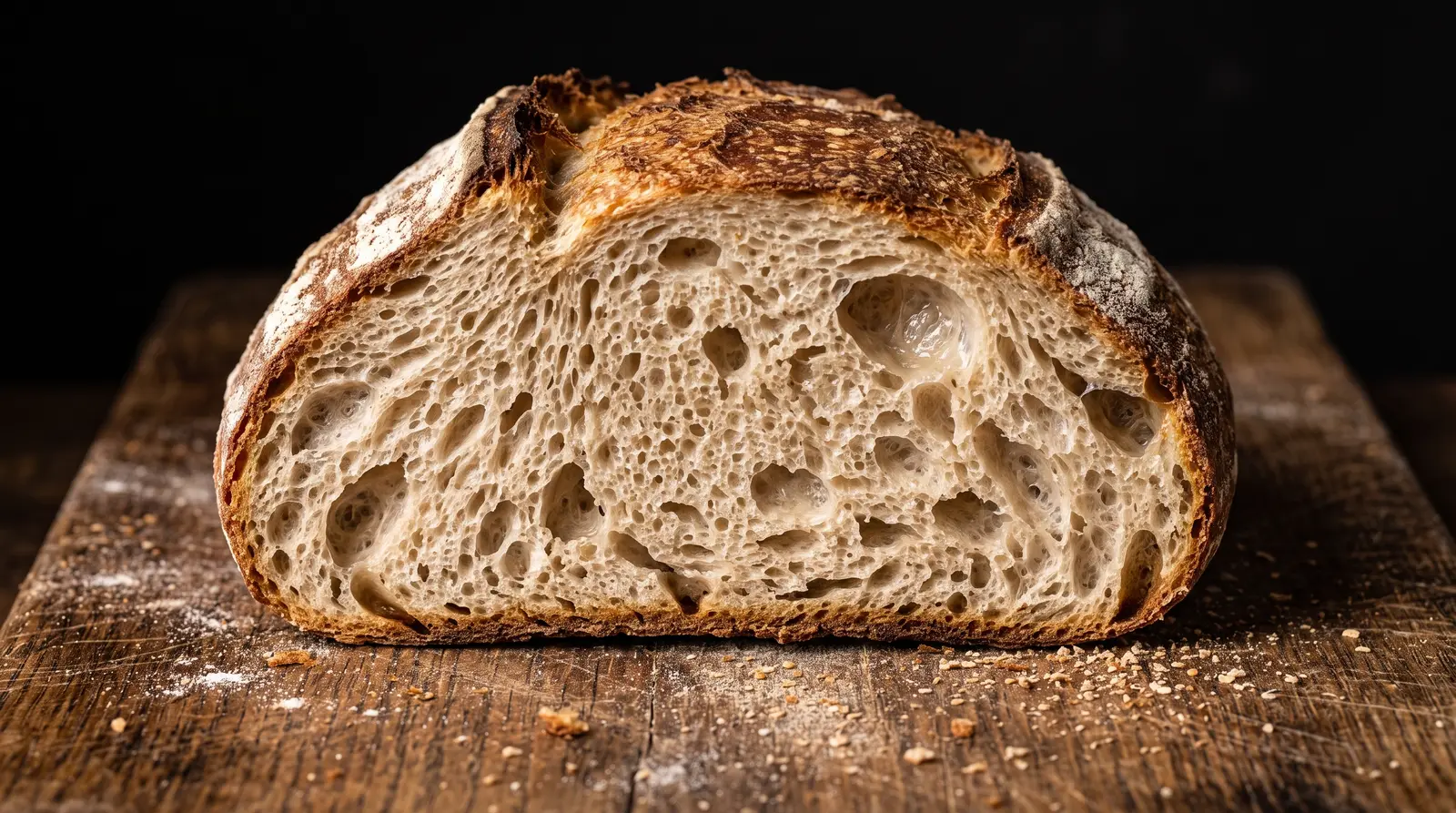
8 – 11 h · Just right
It has gained volume and the bubbles connect. Still on the surface, changing within.
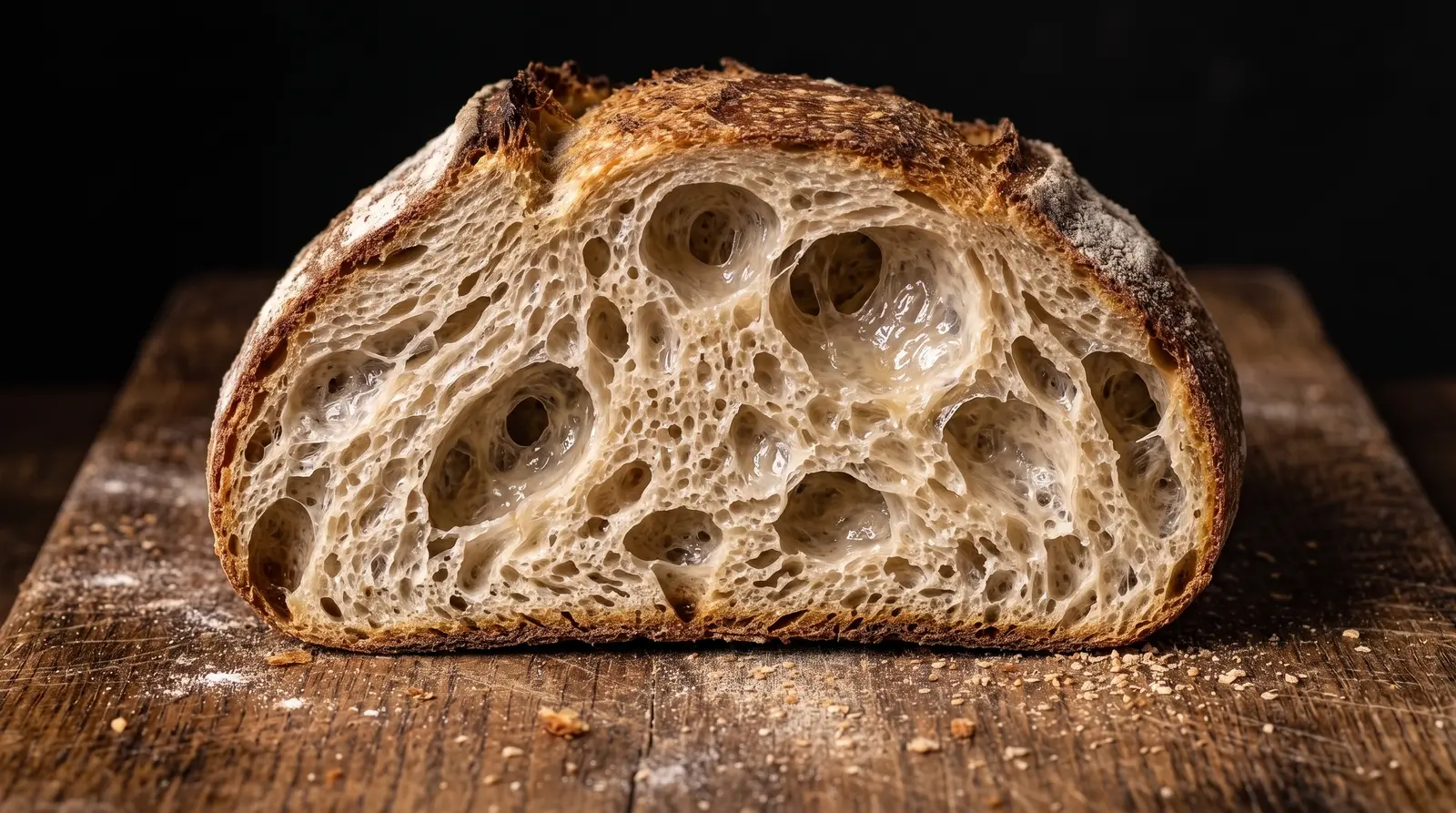
12 h · Ready to shape
Now it's your turn: the same rest changes with warmth and water.
Batch simulation · Not a recipe
You set the conditions. The dough brings the character.
Haste is not an ingredient
While the surface seems still, temperature, water and rest change the structure within. The bakehouse turns that wait into a method.
Madre · Imagined bakehouse
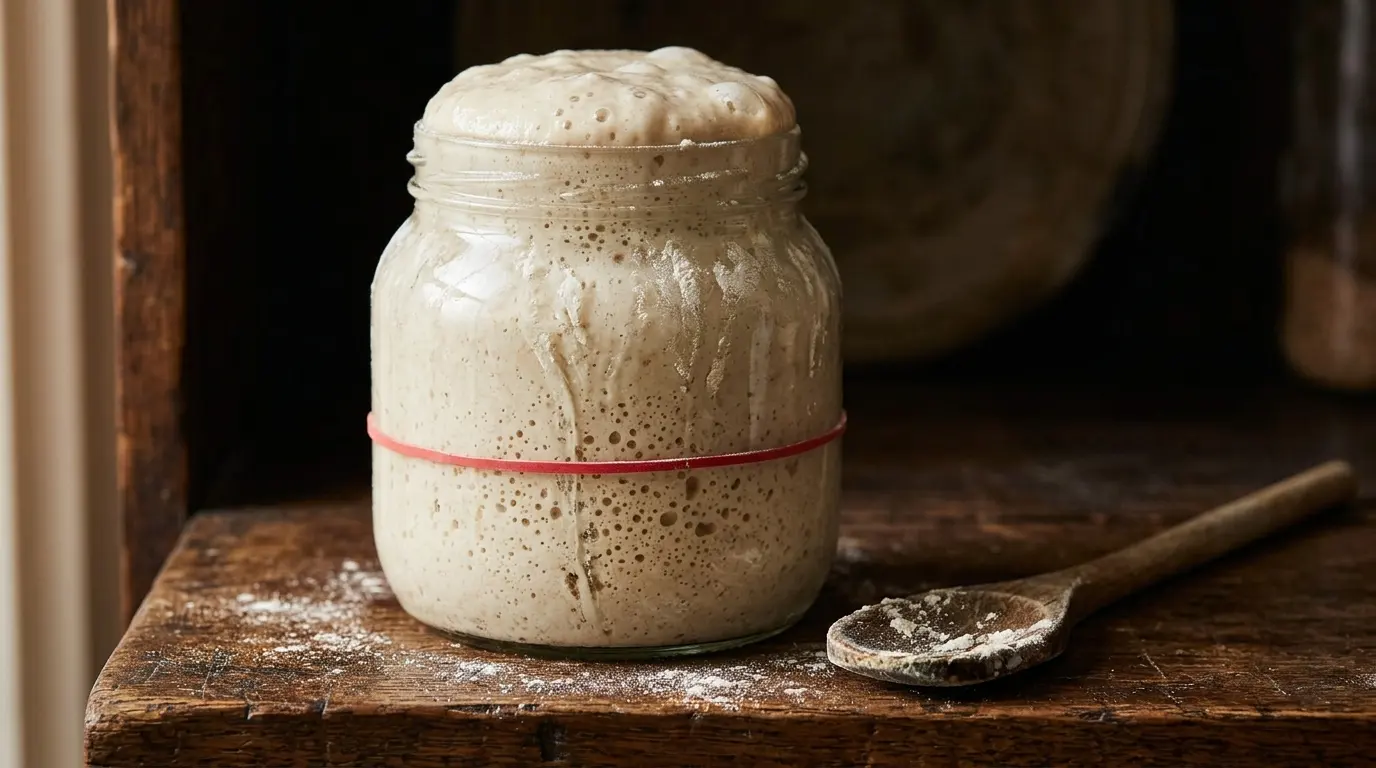
01 The starter
In this house, we believe in
Flour is more than a backdrop. Here, every change has a consequence you can see and read.
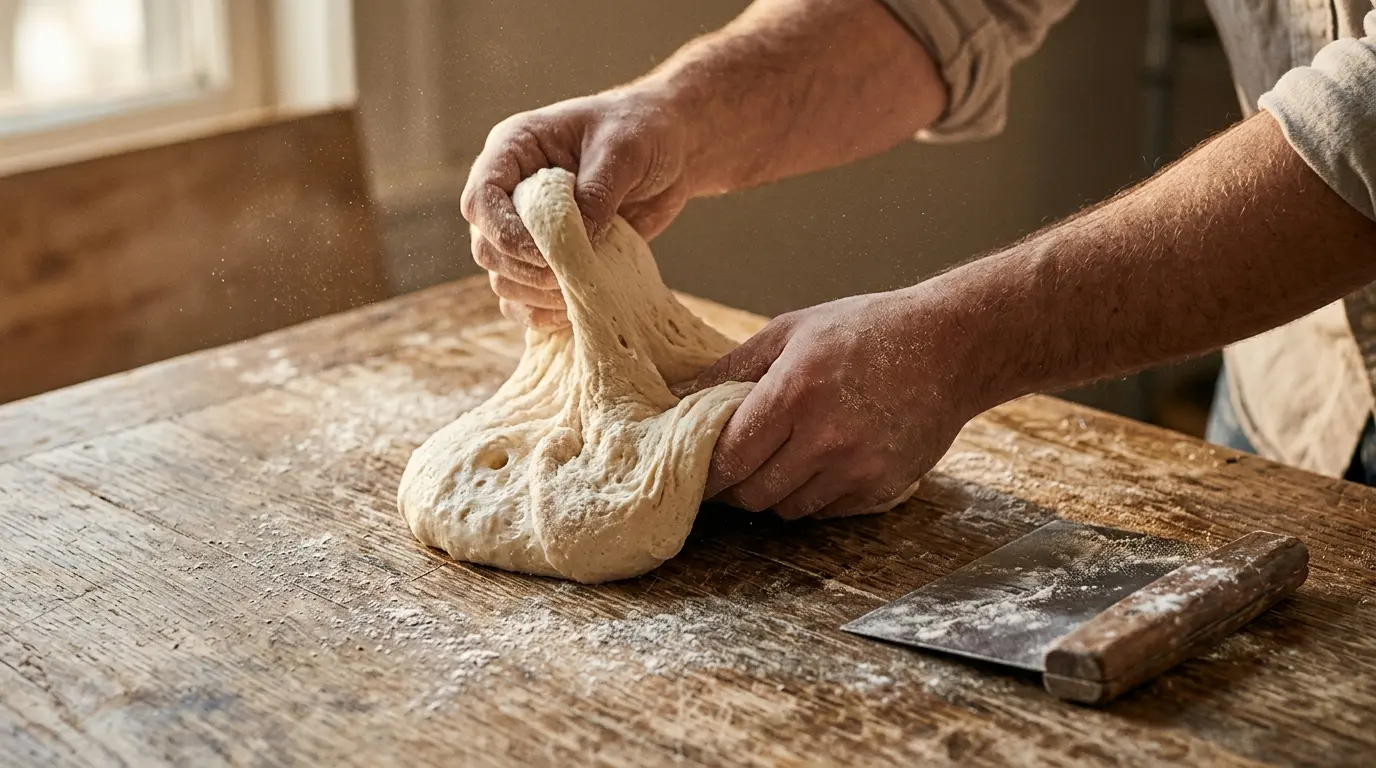
02 Shaping
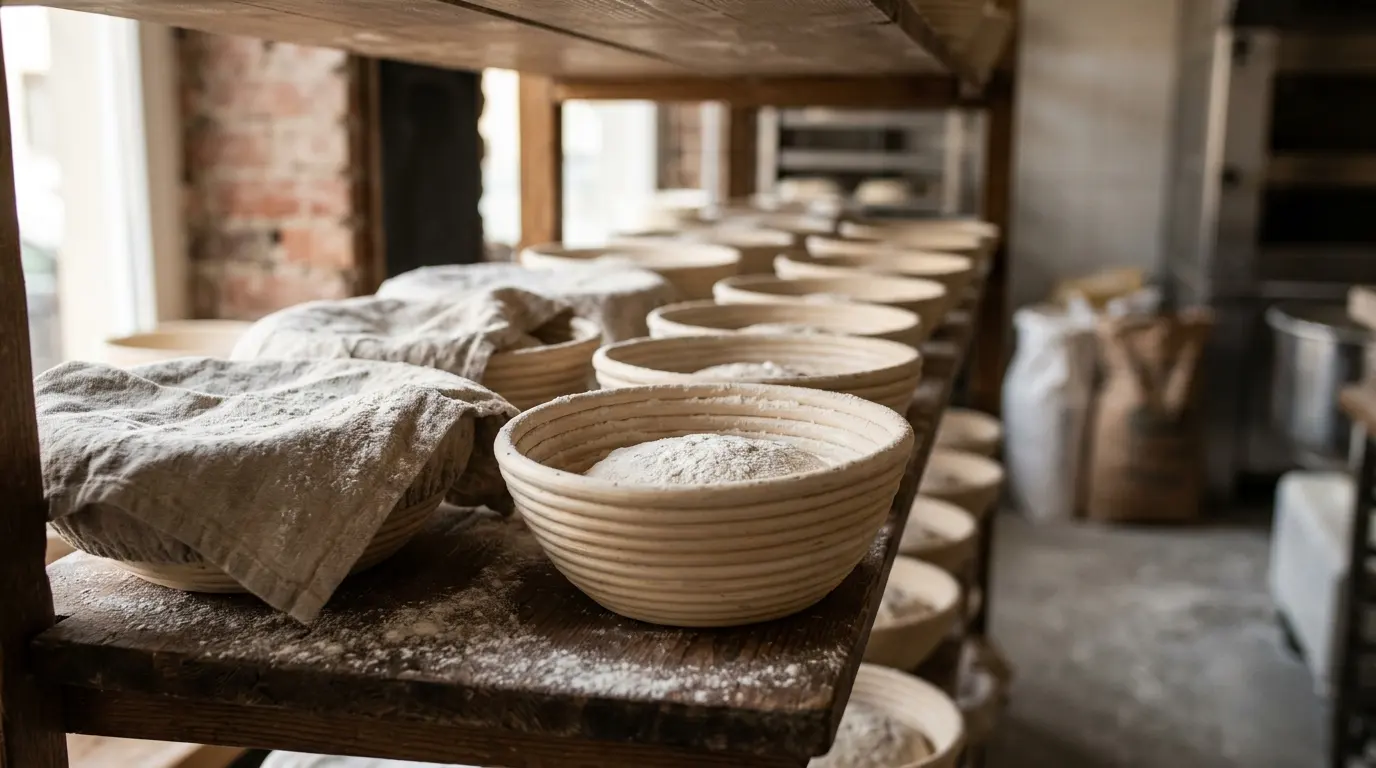
03 The proofing basket
A little longer. A degree cooler. Pressing harder won't solve everything. Sometimes a small adjustment is enough.
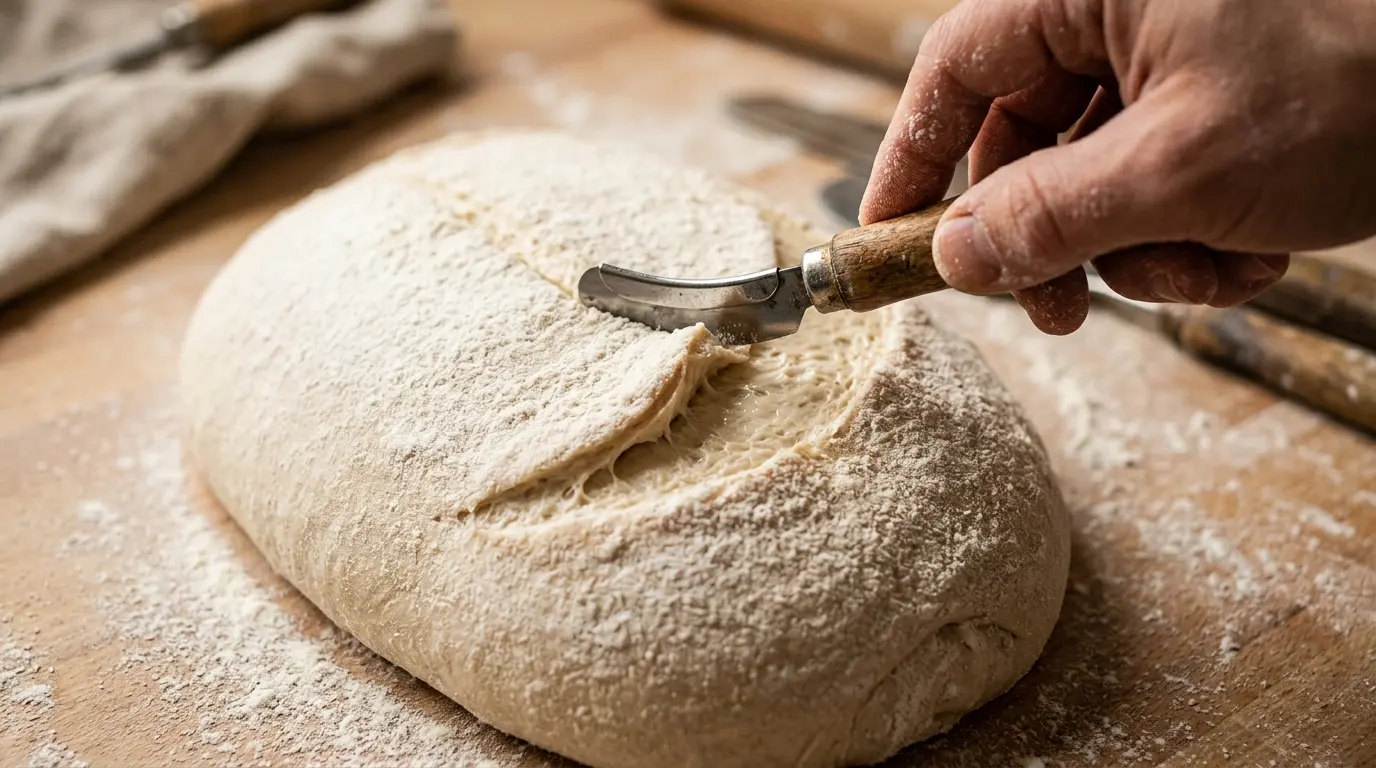
04 Scoring
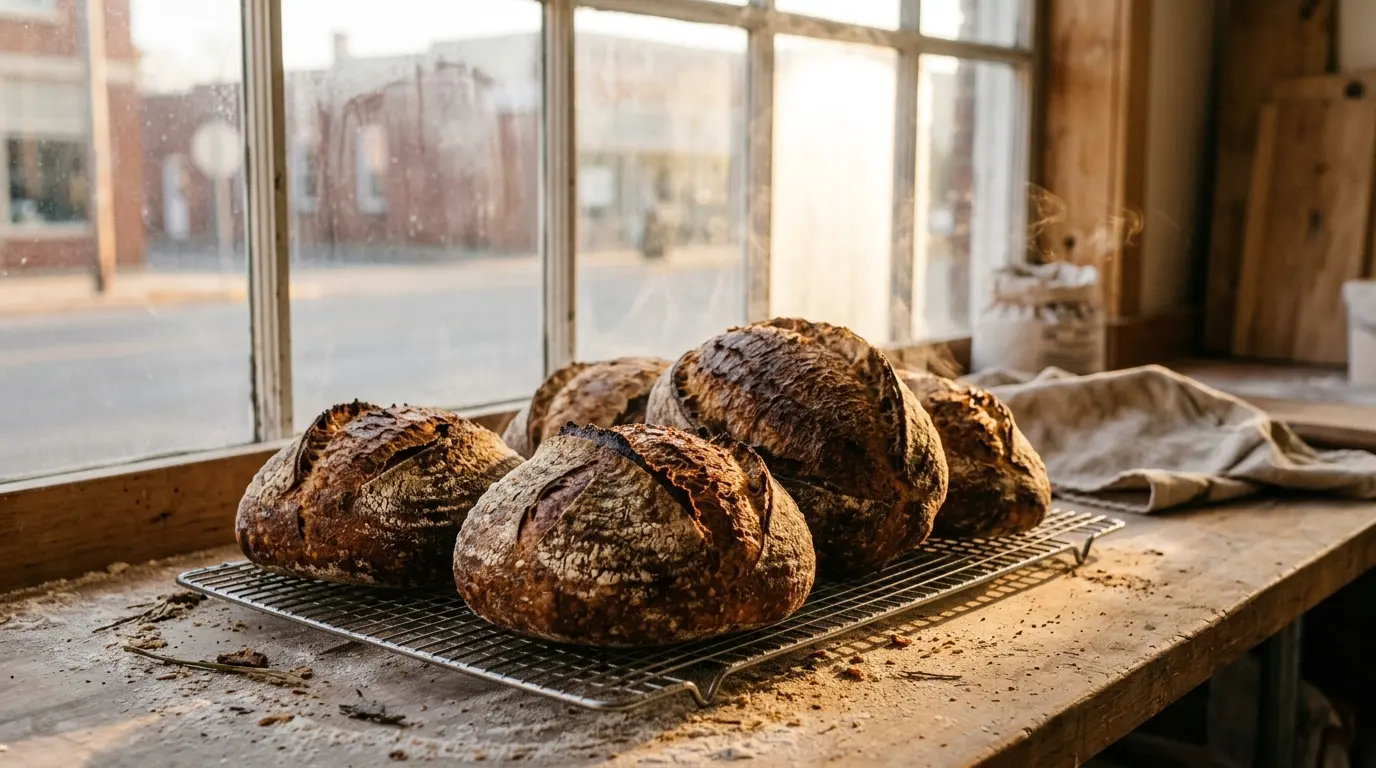
05 Cooling
Learn by touching, make mistakes without waste and leave with a better question. That's the bread we make here.
Notes with flour on the edges
The clock counts hours. The dough tells another story. We follow signs—volume, bubbles, structure—instead of a row of hours.
Note 1 · Warmth
At our table, raising the temperature speeds up the batch. Given the same time, it matures sooner.
Try it: keep the rest at 12 h and compare 18 °C with 30 °C.
Note 2 · Water
Less hydration tightens the shape and closes the air pockets. More water spreads it out and opens the crumb.
Try it: keep 24 °C and 12 h. Move from 60 % to 85 % and watch the cross section.
Note 3 · Rest
Waiting transforms. But in this small model, waiting too long also causes the dough to lose its structure.
Try it: choose 30 °C and 24 h. Then return to 8 h.